Cat Carrier Pet Hong Kong Fair: Asia Expo Planning
An Asia expo draws 60-78% overseas buyers on a regional sourcing trip, so booth time must be pre-booked: appointments should fill 55-70% of the schedule. Samples cross from the production base in 2-6 days at 180-760 USD, and re-export paperwork has to be raised before travel, not after.
A Hong Kong expo is a different proposition from a mainland fair. The buyer pool is international, the trips are planned weeks ahead, and the venue sits next to the airport, which means buyers arrive with a schedule and leave with a flight. That rewards a supplier who books meetings in advance and punishes one who waits for walk-in traffic. This page sets out the manufacturing side of exhibiting at an Asia expo: who actually walks the aisles and what they are trying to accomplish in a three-to-five day trip, how samples are moved across a short border with the right paperwork, how booth time is allocated between booked appointments and open hours, and what documentation has to be in English and complete before the doors open. It also covers re-export planning, follow-up across time zones, and the cost comparison against exhibiting on the mainland. Standard terms apply: MOQ 500 pieces per colourway, prototypes in 6-10 working days, bulk production 35-50 days after sample approval, final random inspection to AQL 2.5, T/T 30/70 and FOB Xiamen.
Wholesale pet carrier programmes for cat carrier ranges run 35-50 days after sample approval, shipped FOB Xiamen under T/T 30/70 terms.
Buyer Mix: Who Walks an Asia Expo and What They Want
The defining feature of an Asia expo is that most buyers have travelled to be there. They are on a sourcing trip with a limited number of days, a list of categories to cover, and usually a flight home. That shapes every interaction: they are decisive, they are pressed for time, and they have often pre-planned which halls to visit.
The composition is roughly 60-78% overseas buyers against 22-40% regional. Within the overseas group the largest contingents are typically from Europe, North America, Japan and Australia, with a growing share from the Middle East and Latin America. Each group behaves differently and the differences are worth knowing.
European and North American buyers at an Asia expo are usually on a category trip: they have a range to fill and a season to hit, they want specification and compliance detail, and they will ask for a factory visit. Japanese and Korean buyers want dimensional precision and finish consistency. Buyers from emerging markets want price ladders and small initial quantities.
| Origin group | Share | Primary question | Typical first order | Visit request rate | Conversion |
|---|---|---|---|---|---|
| Europe | 18-28% | Compliance and material declaration | 1,200-5,400 units | 48-68% | 14-28% |
| North America | 16-26% | Lead time and capacity | 1,400-6,200 units | 42-62% | 13-26% |
| Japan and Korea | 10-18% | Dimensional precision, finish | 600-2,800 units | 54-74% | 11-22% |
| Australia and New Zealand | 6-12% | Range and freight to Oceania | 500-2,200 units | 28-46% | 9-18% |
| Middle East | 6-14% | Price and small first lot | 400-1,800 units | 22-38% | 7-16% |
| Latin America | 5-11% | Price and payment terms | 400-1,600 units | 18-34% | 6-14% |
| Regional Asia | 12-24% | Availability and speed | 600-3,200 units | 34-54% | 12-24% |
The visit request rate is the number that shapes the schedule. European and Japanese buyers request a production base visit at 48-74%, and because they are on a fixed trip they will want it within the trip rather than weeks later. Being able to offer a visit on two days notice, with transport arranged, is a genuine competitive advantage at this fair.
The practical consequence for the booth is that a buyer has limited aisle time and will share it with perhaps eight to fifteen suppliers in a category. Standing out is less about theatre and more about being able to answer fast and completely, which is a preparation question rather than a design one.
One more pattern worth naming: an Asia expo buyer often arrives with an existing supplier and is looking for a second source rather than a replacement. That changes the conversation from persuasion to comparison, and it means published specification data and a comparable price ladder matter more than persuasion.
Most buyers are on a fixed trip comparing eight to fifteen suppliers: answer fast and completely, and be ready to host a visit inside their trip window at 48-74% request rates from Europe and Japan.
Sample Logistics Across a Short Border
The advantage of exhibiting in Hong Kong is proximity to the production base: samples cross in 2-6 days rather than the 8-28 days needed for a distant venue. The risk is complacency, because a short crossing invites leaving the paperwork until the last minute.
Three modes are practical. Road express with a consolidated cross-border service runs 2-5 days at 180-760 USD for a 104-224 kg set. Air freight from a nearby airport runs 1-3 days at 260-1,180 USD. Hand-carry on a flight runs 1-2 days at 60-340 USD of excess baggage for a partial set.
The paperwork question is the one that catches people. Samples entering for exhibition and returning afterwards need temporary admission treatment; entering them as a commercial import without it means duty is assessed on their commercial value and re-export becomes an administrative exercise. Raising the temporary admission document before travel costs 60-320 USD and takes 3-12 days.
| Mode | Transit | Cost (USD) | Document needed | Risk | Suits |
|---|---|---|---|---|---|
| Road express, cross-border consolidated | 2-5 days | 180-760 | Temporary admission | Low | Standard |
| Air freight, nearby airport | 1-3 days | 260-1,180 | Temporary admission | Low | Large sets |
| Hand-carry, partial set | 1-2 days | 60-340 | None for small sets | Medium | Critical units |
| Courier, urgent top-up | 1-2 days | 120-620 | None for small sets | Low | Replacements |
| Venue handling and storage | n/a | 80-420 | n/a | n/a | All |
The short crossing enables a tactic that is unavailable at a distant venue: a mid-show replenishment. A set that suffers damage, or a colourway that turns out to be unexpectedly popular, can be replaced from the production base in 2-5 days at 120-620 USD by courier. Keeping two or three duplicates ready for a mid-show call is worth doing.
Venue handling is the cost that surprises people. Exhibition venues charge for receiving, storing and delivering cases to the stand, typically 80-420 USD for a set, and the charge is per case rather than per shipment. Consolidating into four to six cases rather than twelve loose cartons reduces both the handling charge and the damage risk.
Return planning should be booked before travel, as at any fair. A pre-booked collection on the day after breakdown with a completed re-export document avoids the common failure of a sample set sitting in a venue warehouse accruing storage at 20-90 USD a day.
Road express in 2-5 days at 180-760 USD, temporary admission raised 3-12 days before travel, and four to six consolidated cases rather than twelve loose cartons.
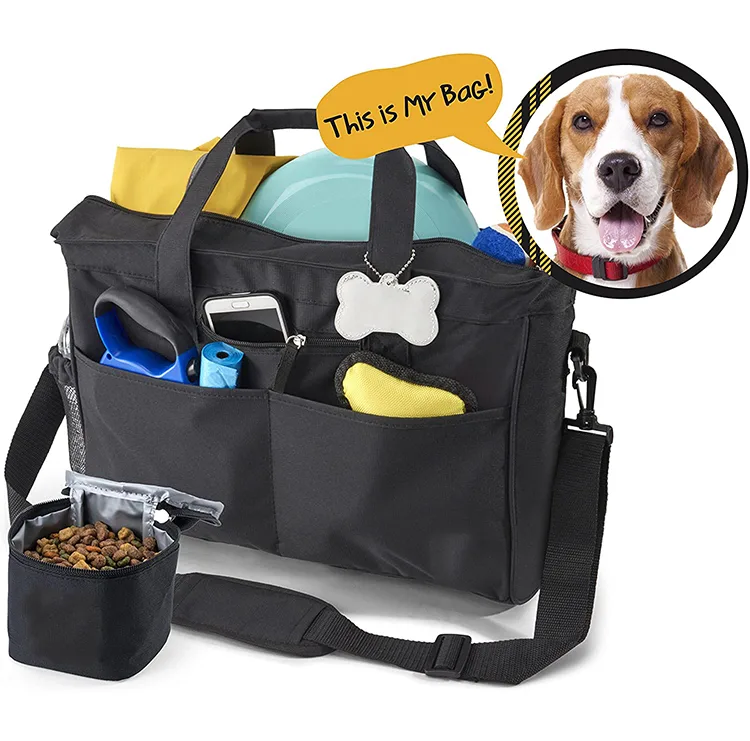
Appointment Discipline: Pre-Booked Time Against Walk-In Time
At an airport-adjacent venue most buyers arrive with a schedule. That makes pre-booked meetings the highest-value use of booth time, and it changes how the calendar should be built weeks before the show.
The working allocation is 55-70% of booth time pre-booked and 30-45% left open for walk-ins. Below 40% booked, a booth at this fair is leaving its most valuable asset unused; above 80%, it loses the serendipitous conversations that often produce the largest programmes.
Booking starts three to six weeks out. Existing enquiries, past buyers and platform contacts are sent a meeting invitation with a specific time slot, the products that will be on the stand, and a request for the buyer to state what they want to see. A booking request that names a product gets a 34-58% acceptance rate against 8-18% for a generic invitation.
| Allocation | Booked share | Meetings per day | Walk-ins served | A-grade yield | Outcome |
|---|---|---|---|---|---|
| All open, no booking | 0% | 8-18 | 40-120 | 4-14 | Poor |
| Light booking | 30% | 14-26 | 30-90 | 8-22 | Workable |
| Standard allocation | 55-70% | 20-38 | 18-48 | 14-32 | Efficient |
| Heavy booking | 80% | 26-46 | 8-20 | 16-34 | Rigid |
| Standard plus second room | 55-70% | 28-52 | 18-48 | 20-44 | Best |
The last row is worth considering on a larger stand. A small meeting area away from the aisle lets a booked meeting run 20-40 minutes with samples brought to the table, while the booth itself keeps serving walk-ins. The cost is 1,400-6,200 USD of stand build and it raises A-grade yield by roughly 40%.
Slot length is a decision with consequences. Twenty minutes is enough for a qualified buyer with a specification; thirty is needed when compliance and tooling are in play; ten minutes is enough for a first contact that will be followed up. Building the calendar from mixed slot lengths rather than uniform ones is what lets 20-38 meetings a day happen without any of them being cut short.
Reminders are cheap and they work. A message 48 hours before the fair and another the evening before each confirmed meeting, naming the time and the stand number, reduces no-shows from 22-38% to 8-18%, which on a 20-meeting day is three to five recovered meetings.
Book 55-70% of booth time three to six weeks out with a named product in the invitation: acceptance runs 34-58% against 8-18% for a generic request, and reminders cut no-shows from 22-38% to 8-18%.
Documentation in English: Sheets That Travel Without Explanation
At an international expo a document has to stand on its own. The buyer takes it away, reads it on a flight, and forwards it to a colleague who was not there. Anything that required a verbal explanation at the stand is lost by the second reader.
Three documents have to be complete and self-explanatory: the specification sheet, the price ladder and the compliance summary. Each has a standard structure and each should carry the same four facts on the front page: the product identity, the material set, the dimensional data and the commercial terms.
Specification sheets fail most often on dimensions. A sheet that gives exterior dimensions only, or that gives nominal rather than measured figures, produces an enquiry rather than an order. Publishing measured interior and exterior dimensions with a tolerance, a pet weight range and a packed carton specification removes the follow-up question entirely.
| Document | Must contain | Pages | Cost (USD) | Copies | Self-explanatory |
|---|---|---|---|---|---|
| Specification sheet | Measured dims, materials, weight range | 1-2 | 30-140 | 40-80 | Critical |
| Price ladder | Five breakpoints, terms, port, validity | 1 | 20-90 | 60-140 | Critical |
| Compliance summary | Standards, report numbers, dates | 1 | 40-180 | 40-80 | Critical |
| Capacity statement | Monthly capacity, booking position | 1 | 0-150 | 30-60 | High |
| Branding options sheet | Methods, minimums, lead times | 1 | 20-90 | 30-60 | High |
| Packaging data | Carton, units per carton, per pallet | 1 | 40-160 | 30-60 | High |
| Full audit certificate | Scope, date, verifying body | 1-3 | 600-2,900 | 10-20 | Medium |
Print volume at an international expo is higher than people expect, because documents are taken away rather than read on the spot. A three-to-five day expo with 20-38 meetings a day consumes 60-140 ladders and 40-80 specification sheets. Printing double the estimate costs 60-240 USD and prevents the day-three failure of handing out a photocopy.
The compliance summary is the document most often missing and it is the one a European or North American buyer will ask for first. A single page listing the standards tested, the report numbers, the dates and the issuing laboratory, with the market each applies to, is enough for a first conversation and it defers the full report to the follow-up.
Units and formats should be fixed rather than per-document. Centimetres and kilograms with inches and pounds in parentheses, dates in ISO format, and currency stated explicitly rather than assumed: these remove the ambiguity that a document crossing time zones and languages otherwise accumulates.
Publish measured dimensions with a tolerance on every specification sheet and print double the estimated volume: 60-140 ladders and 40-80 sheets over a five-day expo.
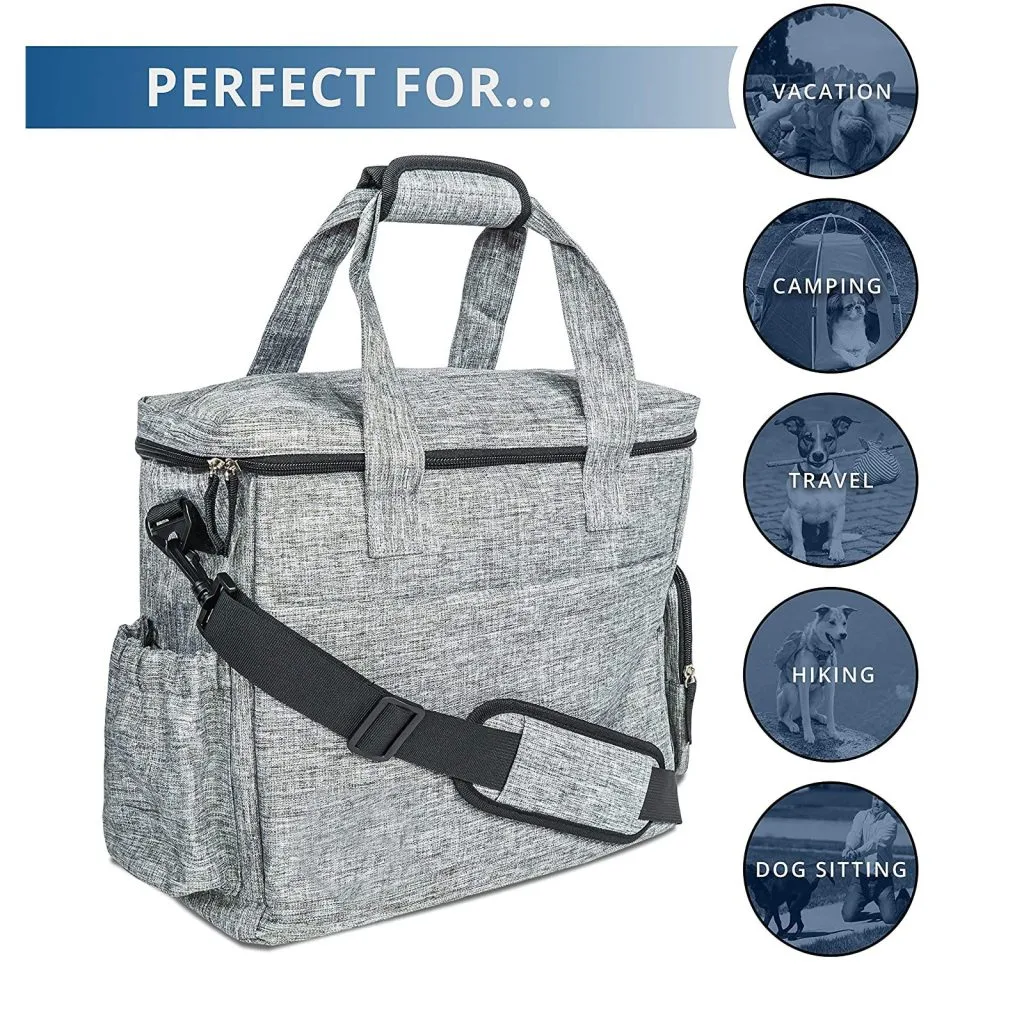
Compliance Readiness for an International Buyer Pool
An international expo compresses the compliance conversation into a few minutes at the stand, and the buyer's question is usually narrow and specific: does this product meet the standard my market requires, and can you show me. A general answer is not an answer.
The two questions that dominate are chemical compliance and physical safety. Chemical compliance asks for a restricted substance declaration covering azo dyes, formaldehyde, nickel release and the relevant phthalate and lead limits. Physical safety asks for load, seam and zipper test evidence against a recognised method.
Market-specific expectations then layer on: California Proposition 65 for US-bound goods, REACH for the European Union, and for products marketed for air travel, dimensional claims held against published airline guidance from the Federal Aviation Administration.
| Requirement | Evidence | Cost (USD) | Lead time | Readiness before show | Asked by |
|---|---|---|---|---|---|
| Restricted substance declaration | RSL statement, OEKO-TEX criteria | 180-780 | 5-15 days | Essential | Europe, US |
| Lead and phthalate test | Laboratory report | 340-1,400 | 10-25 days | Essential | US |
| Physical safety test | Load, seam, zipper report | 240-1,100 | 10-25 days | Essential | All |
| Proposition 65 statement | Warning or no-warning declaration | 120-620 | 4-12 days | High | California |
| REACH declaration | SVHC statement | 160-680 | 4-12 days | High | Europe |
| Quality management certificate | ISO 9001 | 700-3,200 | 20-60 days | Essential | All |
| Social compliance audit | BSCI report | 600-2,900 | 10-45 days | Essential | Large buyers |
The lead time column is the planning constraint. A physical safety test takes 10-25 days, so a product first shown at an expo needs its testing started 30-45 days before the show if the report is to be available on the stand. Showing an untested new construction is legitimate, provided the stand staff say so plainly and give the schedule.
What must never happen is presenting a report for a different product as if it covered the one on the stand. Buyers check report numbers against product descriptions, and a mismatch discovered at the follow-up stage costs the programme rather than delaying it.
An SGS-verified production base under ISO 9001 and BSCI coverage supplies the system evidence; the product-level evidence is testing referenced to ASTM International methods and chemical declarations issued against OEKO-TEX criteria. Holding both current is what lets the compliance conversation take three minutes rather than three weeks.
Start product testing 30-45 days before the show so reports are on the stand, and never present a report for a different product.
Post-Show: Re-Export, Follow-Up and the Visit Window
An international expo buyer flies home, and the follow-up has to work across time zones and against the buyer's own re-entry workload. The window is short and the content has to be specific.
Re-export is the first task and it is physical rather than commercial. A sample set with temporary admission documents has to leave within the permitted period, typically 30-90 days, and the paperwork has to match the import record. A pre-booked collection with completed documents costs 180-760 USD and prevents both storage charges and a customs problem.
Follow-up then runs on a schedule compressed by the buyer's trip: contact within 24 hours while they are still travelling and reading email, a second at day 5-8 once they are back at their desk, and a third at day 21-30 with a sample or revised quotation. Response rates run 44-68%, 34-56% and 22-42% respectively.
| Day | Action | Time zone consideration | Response rate | Cost (USD) |
|---|---|---|---|---|
| 0-1 | Reference email, spec sheet, ladder attached | Send to arrive 08:00 buyer local | 44-68% | 180-620 |
| 1-3 | Sample set re-exported | n/a | n/a | 180-760 |
| 5-8 | Answer the open question from the meeting | Send to arrive 08:00 buyer local | 34-56% | 240-880 |
| 10-21 | Sample build and despatch | n/a | n/a | 1,400-9,400 |
| 21-30 | Revised quotation with sample approval | Send to arrive 08:00 buyer local | 22-42% | 400-2,200 |
| 30-90 | Deposit and slot confirmation | n/a | n/a | 300-1,600 |
Send-time discipline is worth more than it appears. An email sent at 08:00 in the buyer local time zone arrives at the top of their morning rather than buried under a night of accumulated mail, and observed response rates rise by 12-26% simply from that. Scheduling sends rather than sending immediately costs nothing.
The visit question is handled inside this schedule. A buyer who requested a visit at the show should receive a concrete proposal with two dates and a transport plan within 48 hours, because their trip may still be in progress or their next trip is being planned. A visit offered concretely converts at 52-74%; one offered vaguely converts at 18-34%.
Sampling within the standard 6-10 working day cycle plus 3-9 days of express freight means a show enquiry can be sampled, approved and into a production slot inside 45-75 days of the expo closing. Communicating that timeline at the point of the sample offer sets an expectation that can be met, which is worth more than an optimistic one.
Contact within 24 hours timed to arrive at 08:00 buyer local, re-export within three days, and offer a visit with two concrete dates: 52-74% conversion against 18-34% for a vague offer.
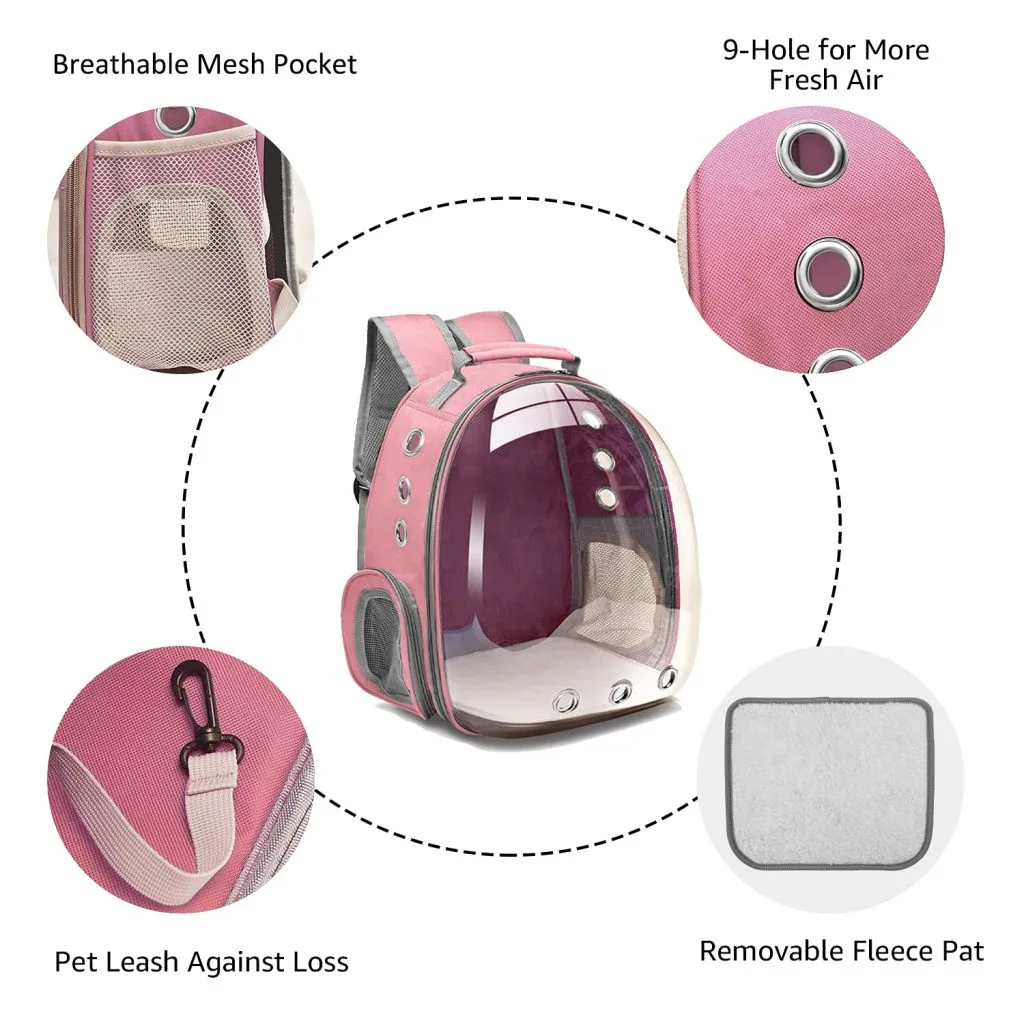
Cost Model: Asia Expo Against Mainland Fair
Exhibiting in Hong Kong costs more per square metre and produces a different buyer. The comparison against a mainland fair is not simply cost; it is cost against buyer quality, appointment efficiency and the ease of getting samples and people to the venue.
A Hong Kong booth runs 12,000-46,000 USD for a 9-18 m2 stand across a three-to-five day expo, against 18,000-64,000 USD for a comparable mainland fair. Sample freight is much lower at 180-760 USD against 608-2,903 USD, and staff travel is similar. The total is 14,000-52,000 USD against 20,000-70,000 USD.
The buyer difference is the substance: overseas share of 60-78% against 30-55%, a visit request rate of 42-74% against 22-38%, and an average first order of 600-6,200 units against 700-3,400. Whether that justifies the cost depends entirely on whether the programme wants export buyers or volume.
| Metric | Asia expo | Mainland fair | Advantage |
|---|---|---|---|
| Total cost (USD) | 14,000-52,000 | 20,000-70,000 | Asia expo |
| Sample freight (USD) | 180-760 | 608-2,903 | Asia expo |
| Overseas buyer share | 60-78% | 30-55% | Asia expo |
| Conversations per day | 20-38 booked plus walk-ins | 180-420 | Mainland |
| Appointment efficiency | 55-70% pre-booked | 10-25% pre-booked | Asia expo |
| Visit request rate | 42-74% | 22-38% | Asia expo |
| Programmes converted | 4-14 | 10-85 | Mainland |
| Cost per programme (USD) | 1,000-13,000 | 353-6,000 | Mainland |
| Average first order | 600-6,200 units | 700-3,400 units | Asia expo |
The honest reading is that the mainland fair wins on cost per programme and on volume, while the Asia expo wins on buyer quality and on appointment efficiency. A programme optimising for unit count should run the mainland fair; one optimising for larger export programmes and better-qualified relationships should run the expo.
Most mature programmes run both, in different halves of the year, and the sequencing matters. The expo's pre-booked meeting model requires a platform library and a documentation set worth showing; a programme without those wastes the format's advantage and should build volume at the mainland fair first.
Commercial terms are identical at both, and they should be quotable without reference to notes: MOQ 500 pieces per colourway, prototypes in 6-10 working days, bulk production 35-50 days after sample approval, final random inspection to AQL 2.5, T/T 30/70 and FOB Xiamen. The mainland fair wins on cost per programme at 353-6,000 USD against 1,000-13,000 USD, but the Asia expo delivers 60-78% overseas buyers and 42-74% visit requests: run the expo once the platform library and documentation set exist.
Why brands source here
- Pet carrier programs run since 2014; founding team in sewn goods since 2004
- SGS-verified production floor of 4,950 m² with 137 workers across 7 lines
- Monthly capacity of 200,000 units, audited to BSCI and ISO 9001
People Also Ask
What share of buyers at an Asia expo are overseas?
60-78%, against 30-55% at a mainland fair. The largest contingents are Europe at 18-28% and North America at 16-26%, both on fixed category trips.
How long does it take to get samples into a Hong Kong expo venue?
2-6 days by cross-border road express at 180-760 USD for a 104-224 kg set, against 8-28 days and 608-2,903 USD for a distant venue.
What paperwork do exhibition samples need?
Temporary admission treatment, raised 3-12 days before travel at 60-320 USD. Without it, duty is assessed on commercial value and re-export becomes an administrative exercise.
How much booth time should be pre-booked?
55-70%. Below 40% the format's advantage is unused; above 80% the booth loses serendipitous conversations that often produce the largest programmes.
How many documents does a five-day expo consume?
60-140 price ladders and 40-80 specification sheets, because documents are taken away rather than read on the stand. Print double the estimate.
When should product testing start before a show?
30-45 days out. A physical safety test takes 10-25 days, so testing started later means no report on the stand for a new construction.
What post-show follow-up schedule works for overseas buyers?
Contact within 24 hours, day 5-8 once back at their desk, and day 21-30 with a sample or revised quotation, each sent to arrive at 08:00 buyer local time.
Is an Asia expo cheaper than a mainland fair?
Yes on total cost at 14,000-52,000 USD against 20,000-70,000 USD, but no on cost per programme at 1,000-13,000 USD against 353-6,000 USD.
Frequently Asked Questions
Why do European and Japanese buyers request visits more often?
They are on a fixed category trip with a range to fill and a season to hit, so they want to verify capability inside the trip rather than weeks later. Request rates run 48-74%.
Why should a meeting invitation name a product?
Acceptance runs 34-58% with a named product against 8-18% for a generic invitation, because the buyer can see what the meeting is for.
How is a mid-show sample shortage handled?
Courier from the production base in 2-5 days at 120-620 USD. Keeping two or three duplicates ready for a mid-show call is worth doing at this venue.
Why consolidate samples into fewer cases?
Venue handling is charged per case rather than per shipment, at 80-420 USD for a set. Four to six cases rather than twelve loose cartons reduces both the charge and the damage risk.
What does uncollected sample storage cost?
20-90 USD a day in a venue warehouse. Booking a collection on the day after breakdown with completed re-export documents prevents it.
Why use mixed meeting slot lengths?
Twenty minutes suits a qualified buyer with a specification, thirty is needed when compliance and tooling are in play, ten suits a first contact. Mixing them lets 20-38 meetings a day run without being cut short.
How much do meeting reminders help?
No-shows fall from 22-38% to 8-18%, which on a 20-meeting day recovers three to five meetings. The cost is two templated messages.
What should a specification sheet always contain?
Measured interior and exterior dimensions with a tolerance, a pet weight range, the material set and the packed carton specification. Exterior-only or nominal figures produce an enquiry rather than an order.
Why fix units and date formats across documents?
A document crossing time zones and languages accumulates ambiguity. Centimetres with inches in parentheses, ISO dates and an explicitly stated currency remove it.
What is the most common compliance question at the stand?
Chemical compliance and physical safety: a restricted substance declaration and load, seam and zipper test evidence against a recognised method.
How long does the whole post-show cycle take?
45-75 days from the expo closing to a booked production slot, being sampling in 6-10 working days plus 3-9 days of express freight, then approval and deposit.
Why schedule email send times?
An email arriving at 08:00 buyer local time sits at the top of the morning rather than under a night of accumulated mail, lifting response by 12-26%.
What makes a visit offer convert?
Two concrete dates and a transport plan within 48 hours: 52-74% conversion against 18-34% for a vague offer, because the buyer's next trip is being planned now.
When should a programme choose the mainland fair instead?
When optimising for unit count and cost per programme. The expo format requires a platform library and a documentation set to be worth it.
Talk to QUANZHOU JUNYUAN BAGS about a pet carrier program: MOQ 500 pieces per colourway, samples in 6-10 working days, bulk production in 35-50 days under AQL 2.5 inspection.
Get a free quote Request a sample