Dog Carrier Backpack Zippers: YKK vs SBS Comparison
YKK and SBS can both supply suitable dog carrier backpack zippers, but approval must be based on a complete zipper system and at least 5 checks: chain strength, slider retention, cycling, seam integration, and corrosion or finish performance. Brand alone does not define chain size, teeth material, tape, slider, puller, stops, or locking method. Match the specified model to the curved opening and rated carrier load.
Executive Summary
A zipper comparison is valid only when YKK and SBS alternatives have equivalent chain type, nominal size, tape construction, slider configuration, finish, opening length, and test conditions. Coil chain usually follows curves and packs efficiently; molded plastic chain provides distinct geometry and appearance; metal chain adds mass and requires careful finish control. For a pet compartment, anti-escape performance depends on paired sliders, puller geometry, a positive securing feature, end stops, seam capture, and the dog's access to the opening. Prototype the zipper in the actual panel because curve radius, fabric stiffness, frame tension, and binding can increase operating force. The sourcing baseline is MOQ 500 pieces per color, samples in 6-10 working days, bulk production in 35-50 days, and finished-lot inspection to AQL 2.5. Zipper quality should also be checked through incoming identity and dimension inspection, in-line installation controls, assembled cycling, slider pull-off or retention evaluation, seam tests, and post-load function. A nominated branded zipper reduces ambiguity only when its exact series and components are locked in the BOM and supported by authorized supply records. Release documentation should also capture zipper lot, slider model, puller tooling revision, stop construction, and the assembled opening test result.
Any dog carrier factory quoting dog carrier backpack work should be able to show a current BSCI audit and an ISO 9001 certificate before a deposit is released.
Compare Zipper Systems, Not Brand Names Alone
YKK versus SBS is not one component versus another. Each supplier offers multiple coil, molded, and metal product families, sizes, tapes, sliders, pullers, finishes, and functional options. A comparison must place two explicitly coded assemblies against the same carrier requirement. If one quotation names only a brand while the other names a chain series, slider, and tape, the commercial figures do not represent equal scope. The tech pack should identify the exact zipper at every opening and pocket.
Start from function. The main pet entry may need smooth travel around curves, paired sliders, a clip-compatible puller, secure end treatment, and repeated operation under panel tension. An expansion gusset may need a long path that resists accidental opening. A small accessory pocket can use a lighter chain because it is not part of escape containment. A removable base cover may prioritize washability and low profile. Assigning one zipper grade to every location can add cost without controlling the highest-risk opening.
Define the operating environment: rated load, expected cycles, opening radius, fabric and foam stack, exposure to rain or perspiration, cleaning method, storage temperature, and required appearance. State whether the sliders meet at the top, side, or lower corner because gravity and animal contact differ. If the backpack is compressed into a carton, check whether pullers or teeth imprint adjacent coated fabric.
Brand authorization and traceability are procurement controls, not performance tests. Confirm model coding, packaging, supplier records, and change notification. Counterfeit or mixed components can appear acceptable but create incompatible tolerances. Keep approved component samples and dimension records. A meaningful YKK versus SBS decision specifies two complete, traceable zipper assemblies and evaluates them in the same sewn opening under the same functional loads. This prevents a general brand reputation from substituting for model-level engineering. It also makes later purchase-order audits faster and more objective. Component identity must remain auditable.
Select Chain Type and Gauge for the Opening Geometry
Coil zippers use formed synthetic elements sewn to tape and generally provide flexibility around curved backpack openings. Reverse coil can present a cleaner exterior and reduce exposed coil, although slider and tape orientation must be specified. Molded plastic chain has individual elements and a more structured visual line; tight radii and frame tension can increase operating resistance. Metal teeth offer a particular appearance but add weight, can feel hard near the animal compartment, and require finish and corrosion control. The choice should reflect geometry and performance rather than style alone.
Nominal zipper size is a system designation, not a guarantee that every supplier's dimensions and strengths match. Record actual chain width, engaged element width, tape width, tape edge distance, slider dimensions, and required seam margin. A larger chain can improve some load characteristics but needs more space, changes curve behavior, increases puller mass, and may interfere with binding or frame stays. A small chain may operate easily yet provide insufficient retention at the main opening.
Tape composition and construction influence seam performance. Polyester tape is common, but weave density, edge stability, dyeing, coating, and shrinkage vary. Tape must be wide enough to achieve the specified seam capture after the panel edge, piping, and binding are assembled. Narrow capture can pull from the seam even when the chain itself remains intact. Specify tape color under defined lighting and assess migration or crocking against light shell colors.
Opening length is measured by the agreed zipper convention and must correspond to pattern notches and stops. Continuous chain cut on site needs controlled slider insertion and end treatment. Finished zippers need consistent top and bottom stops. Curves should respect the nominated chain's minimum practical radius and avoid abrupt changes beside thick seams. The correct zipper gauge is the smallest complete system that operates smoothly and retains the specified opening under assembled-carrier tests with production margin.
Engineer Sliders, Pullers, Stops, and Anti-Escape Control
The slider is the moving tolerance system that joins or separates the chain. Auto-lock, semi-auto-lock, non-lock, reversible, and other slider types behave differently, and product-family terms must be confirmed against the supplier specification. For a pet compartment, an automatic locking slider may reduce unintended travel, but it is not a complete anti-escape solution. Animal movement, fabric tension, puller access, paired-slider gaps, and stop security must all be assessed on the finished carrier.
Paired sliders are common because they allow a wide opening and flexible access. Their meeting point should be positioned away from direct paw or mouth contact where possible. Add a positive securing feature such as a clip or keeper that is operable by the user but not easily released from inside. Define the maximum gap when secured, puller orientation, clip attachment point, and any coating that could chip. Avoid a loose cord loop that creates entanglement or chew risk.
Puller design affects leverage, noise, mass, branding, and pack-out. A long rigid puller can increase force on the slider and strike the shell. A soft cord pull may fray or be chewed. Molded logo pullers require dimensional tolerances, material identity, color, flex performance, attachment method, and tooling approval. Metal pullers need edge, finish, and corrosion checks. Any custom design must remain compatible with the nominated slider body.
Top and bottom stops prevent slider run-off and define the opening limit. Stops can fail through poor application, incompatible geometry, weak tape, or insufficient closure at the seam. Where zipper ends are buried, the operation sheet should show folding, reinforcement, backtacking, and inspection before closure. Test end zones after cycling and loaded distortion. Escape resistance is achieved by controlling the slider pair, securing feature, end stops, seam attachment, and access geometry as one safety system. Record critical defects for any slider release, gap beyond limit, stop loss, or zipper separation.
Integrate the Zipper With Panels, Frames, and Sewing Operations
A zipper that performs well as a loose component can bind after installation. The pattern determines panel tension, opening radius, seam length, and frame support. Walk zipper seam lines during pattern review and mark quarter points or additional notches so tape is not stretched on one side. Control easing at curves rather than allowing operators to force alignment. Mismatched seam lengths produce ripples, twisted openings, and uneven slider force.
The material stack may include shell, lining, foam, piping, frame tape, zipper tape, reinforcement, and binding. Define layer order and seam allowance in cross section. Keep frame stays far enough from the chain to avoid rubbing or local compression. At thick intersections, reduce bulk by planned skiving, cutouts, or sequence changes rather than excessive presser-foot pressure. Select needle and thread settings that secure the tape without cutting its edge yarns.
Fixtures and guides improve repeatability. Templates can control opening shape, zipper position, stop location, and topstitch offset. A zipper foot or edge guide must fit the actual puller and chain height. First-piece approval checks tape capture, visible chain alignment, stitch formation, stop security, curve smoothness, symmetry, and opening dimensions. Inspect the reverse side before lining hides it.
Operation sequence should preserve access to defects. Check slider orientation and count before joining chain ends. Test the zipper after panel assembly, after binding, after frame insertion, and after final loading because each stage changes tension. Record operating force at each checkpoint so the stage that introduces resistance is visible. This staged record helps distinguish component variation from distortion caused by sewing, binding, or stay placement. If a water-resistance claim applies, specify zipper construction, flaps, garages, coating, and seam treatment; a standard chain should not be called waterproof. Reliable zipper operation is a property of pattern geometry, material stack, sewing control, and component tolerances—not of the zipper chain in isolation.
Define Comparable Zipper Performance Tests
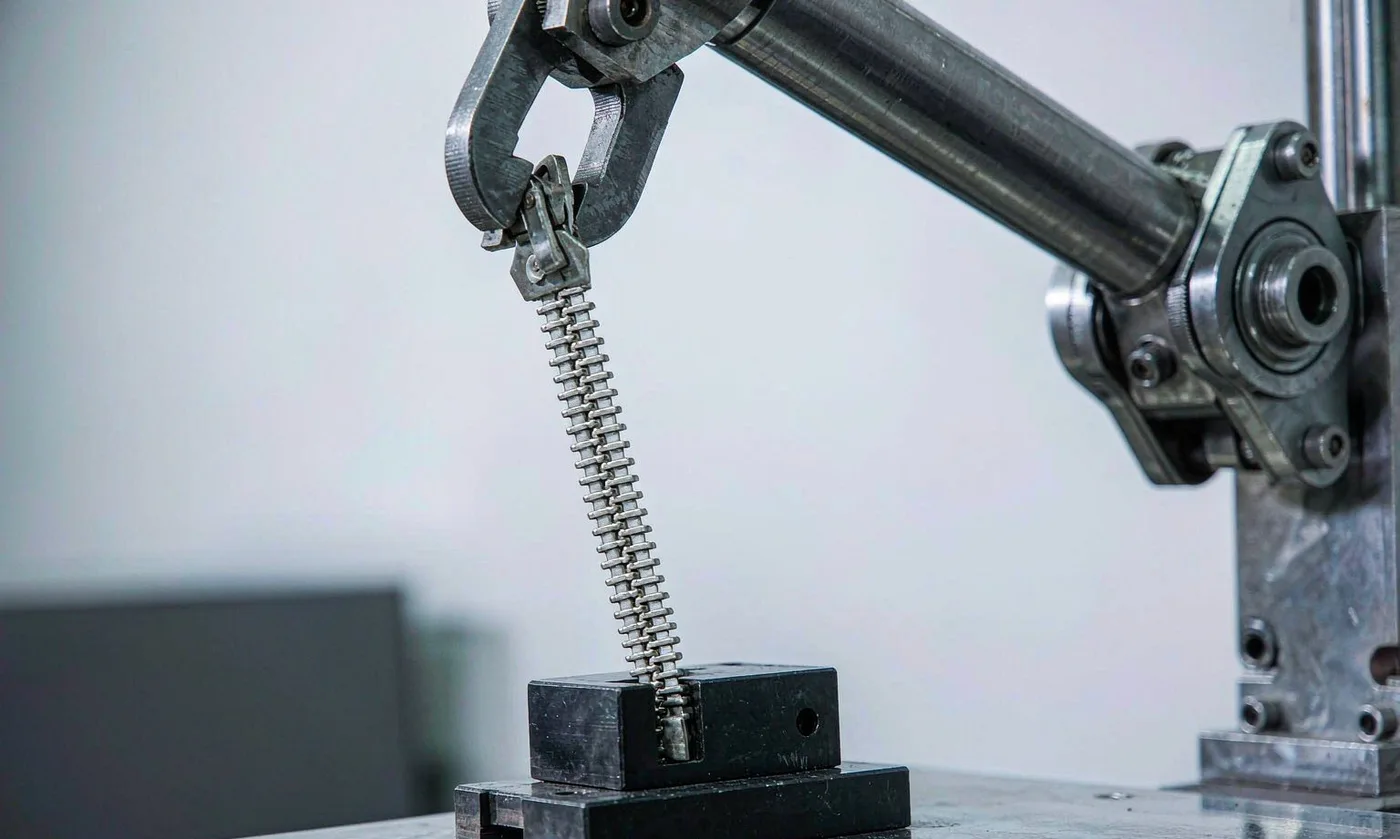
A test matrix makes two brands comparable. Record component codes, sample quantity, conditioning, fixture, speed, direction, cycle count or force, endpoint, and acceptance. Chain crosswise strength, pull-off or slider retention, stop security, reciprocating operation, puller attachment, tape-seam strength, and corrosion or finish checks address different failure modes. Use supplier standard data to screen options, then verify the assembled opening because panel geometry changes loading.
| Test area | What it reveals | Carrier-specific condition |
|---|---|---|
| Reciprocating cycles | Wear, jamming, slider and chain stability | Actual curve with representative panel tension |
| Crosswise chain load | Resistance to lateral separation | Main-entry chain and nominated slider |
| Slider retention | Resistance to pull-off or body deformation | Direction matching likely opening force |
| Stop security | Resistance to slider run-off | Finished end construction after cycling |
| Tape seam test | Pull-out from sewn panel | Actual seam margin, thread, and stack |
| Finish exposure | Corrosion, discoloration, coating loss | Perspiration, moisture, or salt condition as specified |
Operating force should be measured at defined points before and after cycling and load distortion. A low initial force is not enough if the chain opens under lateral tension or jams after contamination. Test representative dust or fiber exposure only if it reflects intended use and can be controlled. Record teeth or coil damage, tape fray, slider wear, gap, noise, and any security-feature malfunction.
Technical standards can be researched through ASTM International, while a quality-system framework for controlled testing and records is described by ISO. The buyer still needs an exact method and pass value. Two zipper systems are comparable only when specimens, installation, conditioning, loading, cycles, and failure definitions are held constant.
Sample quantity matters because one unusually smooth or defective assembly cannot represent process variation. Test specimens from several zipper packages and sew them into panels produced with normal line methods. Record initial operating force at multiple points, then trend the same locations during cycling. If one unit fails, inspect chain, slider, stop, tape, seam, and panel geometry before assigning the cause to the brand. Report individual values as well as averages; a wide range can indicate tolerance interaction that an average conceals. Set an escalation rule for repeated jamming, separation, or force above limit, and reserve untouched components from the same lots for confirmation work. This approach distinguishes a systematic design weakness from an isolated component or installation defect.
Review Finish, Corrosion, Chemical, and Contact Risks
Zipper components touch the shell, user's hands, and potentially the occupied compartment. Review sharp edges, burrs, pinch zones, loose coatings, and small detachable parts. Slider and puller finishes should remain smooth after cycling. Plated metal can corrode or discolor under moisture, perspiration, or salt exposure; painted or electroplated surfaces can chip at contact points. Resin parts can crack, fade, or lose toughness under temperature extremes. The test plan should reflect intended climates and cleaning instructions.
Tape dyes and finishes require colorfastness and transfer consideration. Dark tape beside a light coated shell can migrate or crock during humid storage. Perform contact trials under pack compression, then inspect both surfaces after recovery. If the tape or chain is treated for water resistance, verify that treatment does not increase operating force, odor, or chemical risk. Lubricants should be controlled and should not stain nearby textile.
Destination-market restricted-substance requirements apply to the complete material set, including tape, colorants, coatings, metal finishes, puller plastics, cords, and printed logos. European compliance research can begin with ECHA, and textile-related voluntary certification context is available from OEKO-TEX. Request evidence tied to the exact component, color, supplier, and date rather than accepting an unrelated general statement.
Small-part risk depends on attachment and foreseeable use. Apply specified pull tests to custom badges, puller extensions, clips, and decorative elements. Examine fracture surfaces for sharp points and check whether broken pieces enter the pet compartment. A zipper finish is acceptable only when it preserves function, surface integrity, and contact safety throughout the defined environmental and cycling sequence. Include finish masters and edge criteria in incoming and final inspection references.
Design the exposure sequence to reveal interactions rather than testing appearance alone. Condition complete openings in humid heat, low temperature, or salt mist when relevant, allow a stated recovery period, and then operate the sliders through the required cycles. Measure pull force again and inspect plating at puller pivots, slider shoulders, and stops where rubbing concentrates. Place finished units beside approved color and gloss masters under controlled lighting. Also inspect adjacent shell and lining for staining, lubricant migration, or corrosion products. When cleaning is claimed, apply the labeled cleaning method to representative samples and repeat operation checks. Passing a static finish inspection before exposure does not demonstrate that the zipper remains safe and usable after environmental stress.
Control Sourcing, Cost, Authenticity, and Substitutions
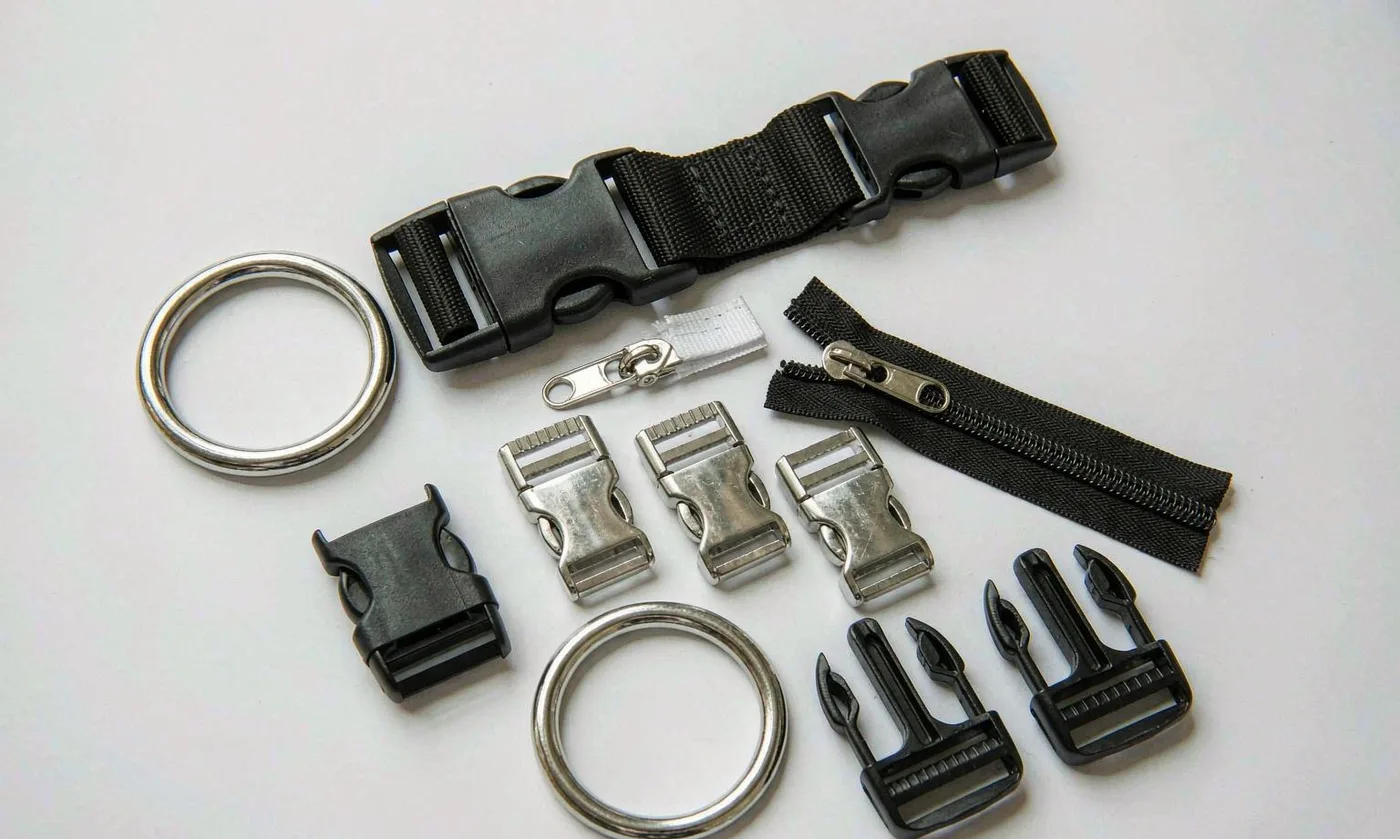
Unit zipper price is only one cost element. Compare cutting or finished lengths, slider insertion, custom pullers, logo tooling, dye charges, color minimums, packaging, lead time, authorized distribution, and expected waste. A lower component quote can raise sewing time if chain variation or tape instability causes rework. A higher-priced branded series may justify cost through traceability or required positioning, but those benefits must be connected to the exact nominated model.
Lock chain, tape, slider, puller, stop, color, finish, and supplier route in the BOM. Require packaging labels or batch identification and keep receiving records. Incoming inspection should confirm branding where applicable, model code, dimensions, color, quantity, slider travel, mating, stops, puller attachment, and visible defects. Sample from multiple packages. Quarantine mixed sliders, unmarked substitutions, damaged tape, incorrect finishes, or chain that does not mate consistently.
“Equivalent zipper” is not an actionable approval. A proposed switch between YKK and SBS, or between series within one brand, needs a comparison of geometry, strength data, operating behavior, finish, compliance evidence, sewing effect, appearance, cost, and schedule. Sew matched panels and repeat critical assembled tests. Update specifications and sealed samples before the substitute enters bulk work.
MOQ interactions matter. Custom tape colors, plated pullers, and logo molds can have supplier minimums greater than the carrier MOQ 500 pieces per color. Plan spare components for setup and rejects without allowing uncontrolled overproduction. Confirm delivery dates against the 35-50 day bulk schedule, because zipper delay can block subassembly even when shell fabric is ready. A controlled zipper source is one whose identity, component compatibility, lot history, and change path remain visible from purchase through finished cartons.
Cost review should include quality-loss scenarios. Estimate the effect of slider insertion rejects, mismatched color lots, chain damaged during cutting, rework at curved openings, replacement parts, and delayed line loading. Compare these values with any price difference between nominated systems. Ask each source to declare packaging quantity, length tolerance, allowable splices for continuous chain, spare slider policy, and lot-identification format. Conduct a small receiving trial before the production purchase when a new series is introduced. A component that arrives in consistent labeled packages and runs with low adjustment demand can reduce total conversion cost even at a higher unit price. Conversely, a low quote without stable compatibility or delivery evidence exposes the entire sewn assembly schedule.
Approve the Zipper Through Sampling and Bulk Quality Control
During the 6-10 working day sample cycle, evaluate zipper selection in stages. A curve or seam trial confirms sewability. A functional prototype confirms opening geometry, hand access, slider meeting point, anti-escape feature, and interference with frames or foam. A verification sample undergoes cycling and load-related tests. The pre-production sample uses approved bulk-intent chain, sliders, pullers, stops, colors, construction, and packaging.
Before bulk line start, check delivered zipper lots and create first-off assemblies on planned machines. Measure tape capture and seam position, inspect stitch formation, operate each opening, secure paired sliders, and confirm end treatment before hidden closure. Early in-line audits should focus on slider orientation, mixed chain, waviness, damaged coating, skipped stitches, narrow seam margin, stop loss, and excessive operating force. Defects should be traced to receiving, cutting, preparation, or the exact sewing station.
Final AQL 2.5 inspection samples completed units for workmanship, dimensions, zipper operation, opening security, labels, and packing. Define any zipper separation, missing slider, insecure stop, or nonfunctional keeper as critical or major according to the agreed defect list. AQL inspection does not replace model qualification tests, so retain records for assembled cycling, load exposure, seam strength, and finish performance.
Packaging audit checks that pullers cannot scratch shell panels, become bent under compression, or puncture polybags. After a defined packed dwell, unpack sample units and repeat operation checks. Shipment records should connect finished cartons to zipper lot and product revision. The selected YKK or SBS zipper is ready for release only when the exact production assembly remains traceable, operates after load and pack-out, and conforms across the sampled lot.
Use a closure-control plan by production stage. Receiving verifies identity and component dimensions; preparation verifies length, slider count, direction, and stop treatment; sewing verifies tape capture and alignment; in-line quality verifies operating force and keeper function; finishing checks damage and contamination; packing protects pullers; final inspection confirms the complete closed opening. Define sample frequency and reaction for each checkpoint. If defect rate rises, contain output since the last accepted check, inspect machine settings and component lots, correct the cause, and reverify affected units. Tracking defects by station prevents a final zipper failure from being reported generically when its origin may be an incorrect slider, distorted pattern seam, narrow capture, or packing pressure.
Why brands source here
- Pet carrier programs run since 2014; founding team in sewn goods since 2004
- SGS-verified production floor of 4,950 m² with 137 workers across 7 lines
- Monthly capacity of 200,000 units, audited to BSCI and ISO 9001
People Also Ask
Is YKK better than SBS for dog carrier backpacks?
Neither brand is universally better. Compare equivalent coded systems for chain, slider, stops, cycling, seam integration, finish, supply, and total cost.
What zipper size is suitable for a pet carrier opening?
The size depends on opening geometry, lateral load, curve radius, tape capture, slider configuration, and assembled test results rather than one universal number.
Are locking sliders enough to prevent escape?
No. Escape control also requires paired-slider gap control, a positive keeper, secure stops, strong tape seams, and limited animal access.
Should zipper tests be run on the finished backpack?
Yes. Component data should be supplemented by assembled cycling, operation under panel tension, seam pull, stop, and post-load checks.
Can YKK and SBS sliders be mixed with another chain?
No unapproved mixing should occur. Slider and chain tolerances are system-specific and must be validated and purchased as controlled compatible components.
How long does zipper approval sampling take?
A standard carrier sample takes 6-10 working days after the exact zipper, materials, drawings, and approval criteria are available.
Frequently Asked Questions
What is reverse coil zipper construction?
Reverse coil presents the tape surface externally while the coil faces inward, producing a different appearance and requiring the matching slider orientation.
Why does zipper curve radius matter?
Tight curves increase tape distortion, chain compression, slider resistance, and sewing difficulty, especially with stiff surrounding panels.
What should the zipper BOM code include?
Include supplier, series, chain type and size, tape, color, slider, puller, stops, finish, length, location, and approved source.
How is zipper opening length measured?
Use the agreed supplier and tech-pack convention between defined stops or chain landmarks, with tolerance and opening location identified.
Can a zipper be waterproof?
Some constructions resist water, but finished-carrier performance also depends on seams, sliders, ends, flaps, openings, mesh, and the stated test.
What is zipper tape pull-out?
It is failure where tape or its seam separates from the panel, often caused by narrow capture, weak tape, poor stitching, or high lateral load.
How are custom zipper pullers tested?
Check attachment pull, flex or impact as relevant, cycling interaction, edges, finish, corrosion, logo quality, and small-part behavior.
Why inspect zipper operation several times in production?
Binding, frame insertion, finishing, and packing can each change panel tension or damage components after an earlier check passed.
What zipper defects should stop shipment?
Missing or releasing sliders, separation, insecure stops, unusable keepers, sharp damage, and openings that cannot close require defined critical action.
Does AQL 2.5 prove zipper durability?
No. It samples lot conformity; durability comes from separate qualification tests with defined cycles, loads, specimens, and acceptance.
How should zipper colors be approved?
Approve physical tape and component standards under defined light, then control dye lots and check migration against adjacent materials.
When is a zipper substitution acceptable?
After documented comparison, matched sewn trials, affected performance tests, cost and timing review, written approval, and specification revision.
Talk to QUANZHOU JUNYUAN BAGS about a pet carrier program: MOQ 500 pieces per colourway, samples in 6-10 working days, bulk production in 35-50 days under AQL 2.5 inspection.
Get a free quote Request a sample