Cat Carrier MOQ: Minimum Order Guide
Cat carrier MOQ is 500 pieces per colourway, and the number is set by procurement rather than by the line: a fabric dye lot of 300-800 m covers 180-570 units, a zipper reel 220-830, and a label mill minimum 1,000-3,000. Unit cost falls 21-29% between 500 and 25,000 pieces.
Minimum order quantity is not a negotiating position; it is the arithmetic of five supplier minimums stacked on top of each other. This page decomposes MOQ into those minimums, shows which one binds at each order size, and gives the unit cost curve that follows from it. The practical consequence is that MOQ is a per-colourway figure, not a per-order figure, and buyers who miss that distinction discover it at quotation. Also covered: what a lower quantity actually costs in surcharge, how to consolidate SKUs so that several colourways share one lot, and how the second order differs from the first because tooling and surplus material already exist. Production terms downstream of quantity are constant: MOQ 500 pieces per colourway, samples in 6-10 working days, bulk production 35-50 days after sample approval, final random inspection to AQL 2.5, T/T 30/70 and FOB Xiamen.
A dog carrier manufacturer is expected to hold the cat carrier pattern card for at least twelve months, so a reorder matches the approved sample rather than drifting.
Five Procurement Minimums That Set the Number
A production line can make one carrier. What it cannot do economically is buy material for one carrier. MOQ is the sum of five supplier minimums expressed in finished units, and the largest of them is the number that appears on the quotation.
Fabric is the first and usually the largest. A 600D or 900D polyester woven is dyed to order in lots, and the dye house minimum is 300-800 m per colour. A soft cat carrier consumes 1.4-2.2 m of shell and lining per unit including marker waste at 78-88% efficiency, and shell fabric is screened against OEKO-TEX criteria as part of incoming control, so one lot covers 180-570 finished units. That single calculation is where the 500 figure comes from.
Hardware is the second. Zipper chain is supplied on reels of 200-500 m and a carrier uses 0.6-0.9 m, giving 220-830 units per reel. Buckles and adjusters are supplied in cartons of 500-2,000 pieces. Neither binds at 500 but both bind below it.
Webbing and trim are the third. Webbing is 300-1,000 m per colour and a carrier uses 0.8-1.6 m, giving 190-1,250 units. Binding tape is 500-2,000 m. Again, both sit at or above 500.
Labels and printed packing are the fourth and they bind hardest. A label mill minimum is 1,000-3,000 pieces per design and a printed carton is 300-500 pieces. At an order of 500 this means the buyer is purchasing two to six runs' worth of labels, which is not a problem but is working capital of 80-900 USD held in inventory.
| Component | Supplier minimum | Per unit | Units covered | Binds at 500 |
|---|---|---|---|---|
| Shell and lining fabric | 300-800 m per colour | 1.4-2.2 m | 180-570 | Yes |
| Zipper chain | 200-500 m per reel | 0.6-0.9 m | 220-830 | Sometimes |
| Webbing | 300-1,000 m per colour | 0.8-1.6 m | 190-1,250 | No |
| Binding tape | 500-2,000 m | 1.2-2.4 m | 210-1,660 | No |
| Woven labels | 1,000-3,000 pieces | 1-3 pieces | 330-3,000 | Yes |
| Printed carton | 300-500 pieces | 0.05-0.1 cartons | 3,000-10,000 | No |
| Hardware, moulded | 500-2,000 pieces | 2-6 pieces | 85-1,000 | Sometimes |
Reading the table as a planning tool gives two rules. The first is that fabric and labels are the items to watch; the second is that the minimums are per colourway and per design, so a four-colourway order multiplies the fabric exposure four times over even though the total order is 2,000 pieces.
The consequence that surprises buyers is that a 2,000-piece order across four colourways is no easier to procure than a 500-piece order in one colourway. Both buy four fabric lots. This is the arithmetic behind the per-colourway wording and it is the reason a quotation asks for both figures.
Where a component minimum exceeds the order, the surplus is held rather than wasted. Fabric surplus is 80-600 m held as roll stock, labels are 500-2,500 pieces held on the shelf, and both are available to the second order. MOQ is the largest of five supplier minimums expressed in units, and fabric at 180-570 units per lot is the one that sets 500.
Per Colourway, Not Per Order: How Colourways Interact
The single most expensive misunderstanding in cat carrier sourcing is treating MOQ as an order-level figure. It is a colourway-level figure, and the difference is a factor of two to four on material exposure.
A colourway is defined by anything that forces a separate purchase: a different fabric colour, a different trim colour, or a different printed artwork. Three colourways of the same style therefore trigger three fabric lots, three webbing colours and three sets of trim, even though the panels, the hardware and the tooling are identical.
The arithmetic for a 2,000-piece order illustrates it. Split as 4 x 500, the buyer purchases four fabric lots at 300-800 m each — 1,200-3,200 m, or 2.4-6.4 m per finished unit against a consumption of 1.4-2.2 m. Split as 1,000 plus 500 plus 300 plus 200, the same four lots are purchased but the smallest colourway carries a 2.5-4.0 times overbuy on fabric.
| Split | Lots bought | Fabric bought m | Fabric needed m | Overbuy | Surplus cost USD |
|---|---|---|---|---|---|
| 2,000 x 1 colour | 1 | 2,800-4,400 | 2,800-4,400 | None | 0 |
| 1,000 + 1,000 x 2 | 2 | 2,800-4,400 | 2,800-4,400 | None | 0 |
| 500 x 4 | 4 | 1,200-3,200 | 700-1,100 | 1.1-2.9x | 180-780 |
| 800 + 600 + 400 + 200 | 4 | 1,200-3,200 | 700-1,100 | 1.1-2.9x | 180-780 |
| 500 + 300 + 200 x 3 | 5 | 1,500-4,000 | 700-1,100 | 1.4-3.6x | 260-1,020 |
The surplus column is the cost of the split and it is real money, but it is not a reason to reduce the range. It is a reason to plan the split: to size the smallest colourway at 300-500 rather than 200, and to accept that a five-colourway launch carries more surplus than a three-colourway one.
A cheaper way to get range is to vary trim rather than fabric. A single fabric lot in a stock colour with four webbing and binding combinations gives four distinct SKUs at one fabric purchase, because webbing at 300-1,000 m per colour is a smaller commitment than fabric at 300-800 m per dye lot and the surplus is cheaper per metre.
Where a buyer genuinely needs four fabric colours at launch, the efficient structure is to place them as four orders of 500 rather than one order of 2,000 with four colourways. Commercially identical, and it makes the surplus visible in each line rather than hidden in a blended average. MOQ is per colourway because a colourway forces a fabric lot, and a four-colourway 2,000-piece order buys the same four lots as four separate 500-piece orders.

The Unit Cost Curve From 500 to 25,000 Pieces
Unit cost falls with volume, but not evenly and not for the reason most buyers assume. Materials barely move; what moves is amortisation, set-up and line efficiency. Knowing the shape of the curve tells a buyer where the value is.
Indexing cost at 100 for a 500-piece order, a 1,000-piece order lands at 89-92, 2,500 at 82-86, 5,000 at 78-83, 10,000 at 74-80 and 25,000 at 71-78. The full fall is 22-29%, and more than half of it occurs between 500 and 2,500 — the region where fixed costs are amortised.
Decomposing the fall is what makes it actionable. Materials contribute 3-8 points of the 22-29, through volume brackets at the fabric mill and the hardware supplier. Amortised tooling contributes 6-14 points. Line efficiency contributes 4-9 points, as operators move up the learning curve and the set-up is spread. Packing and freight contribute 3-6 points through carton and container minimums.
| Quantity | Index | Materials | Tooling | Line efficiency | Packing | FOB USD |
|---|---|---|---|---|---|---|
| 500 | 100 | 0 | 0 | 0 | 0 | 8.20-14.60 |
| 1,000 | 89-92 | -1 to -2 | -4 to -7 | -2 to -3 | -1 | 7.30-13.40 |
| 2,500 | 82-86 | -2 to -4 | -6 to -10 | -3 to -5 | -2 | 6.70-12.60 |
| 5,000 | 78-83 | -3 to -5 | -7 to -12 | -4 to -7 | -2 to -3 | 6.40-12.10 |
| 10,000 | 74-80 | -4 to -6 | -8 to -13 | -5 to -8 | -2 to -3 | 6.10-11.70 |
| 25,000 | 71-78 | -5 to -7 | -9 to -14 | -5 to -8 | -3 to -4 | 5.80-11.40 |
The learning curve deserves a note because it is the one component a buyer can influence by ordering pattern rather than by negotiating. Operator efficiency on a new style rises 12-25% over the first 2,000-5,000 units and then flattens. An order of 500 in month one and 500 in month seven pays the learning cost twice; an order of 1,000 in month one pays it once.
The practical conclusion is that the steep part of the curve is between 500 and 2,500, and that is where a buyer should aim for a second order if the first sells. A re-order of 2,500 costs 9-16% less per unit than the 500-piece first run even though nothing about the product has changed.
Freight is the item that sits outside the table and it moves in steps rather than gradually. A 500-unit order at 0.035 m³ per unit is 14-21 m³, which does not fill a container; a 2,000-unit order is 56-84 m³ and fills a 40HQ at 82-90% efficiency. The freight per unit difference between those two is 0.60-2.40 USD. Cost falls 22-29% from 500 to 25,000 units, and more than half of that fall happens between 500 and 2,500 where tooling is amortised and the line learns.
Consolidating SKUs So Several Products Share One Lot
Consolidation is the technique that lets a buyer offer range without paying for range. It works by making several SKUs consume the same purchased lot, and it applies to fabric, trim, hardware and packing.
Fabric consolidation is the highest-value version. A product family designed around one shell fabric and one lining fabric — a backpack carrier, a tote carrier and a shoulder carrier sharing 600D polyester in the same colour — buys one dye lot for all three. Three SKUs, one lot, and the 300-800 m minimum is met once rather than three times.
The design cost of consolidation is real but small: a common fabric specification and a common colour reference across the family. The commercial saving is 180-780 USD per colourway per launch and, more importantly, it removes the overbuy that otherwise sits in inventory for 12-24 months.
Trim consolidation works the same way and is easier, because webbing, binding and mesh are catalogue items. Four SKUs on one webbing colour and one binding colour buy one lot each instead of four, at a saving of 60-320 USD per launch.
Hardware consolidation is the most effective and the least visible. Specifying one zipper type, one buckle type and one D-ring across a family moves each into a higher volume bracket at the hardware supplier — from 500-2,000 pieces to 5,000 plus — which is worth 3-8% on hardware cost and, more usefully, it means a single hardware carton serves any SKU in the family.
| Material | Unconsolidated lots | Consolidated lots | Saving USD | Visibility to customer |
|---|---|---|---|---|
| Shell fabric | 3 | 1 | 180-780 | High |
| Lining fabric | 3 | 1 | 90-420 | None |
| Webbing | 3 | 1 | 60-260 | Medium |
| Binding tape | 3 | 1 | 40-180 | Low |
| Hardware | 9 SKUs | 3 SKUs | 120-540 | Low |
| Packing carton | 3 prints | 1 print plus label | 80-320 | None |
| Total | 570-2,500 |
The visibility column is the design constraint on consolidation. Shell fabric is highly visible, so consolidating it means the family looks like a family — which is usually the intent anyway. Lining, hardware and packing are invisible or nearly so, and consolidating them is close to free.
Packing consolidation is worth singling out because it is entirely free of design consequence. One plain carton across three SKUs with a printed label or a stamped mark removes three print minimums of 300-500 cartons each and replaces them with one. At 80-320 USD per launch it is the cheapest consolidation available.
The limit of consolidation is a range that must look distinct. Above roughly four visible colourways per family, the overbuy is unavoidable and should be planned as inventory rather than resisted. Consolidation saves 570-2,500 USD per three-SKU launch by making several products buy the same lot, and lining, hardware and packing consolidation is invisible to the customer.
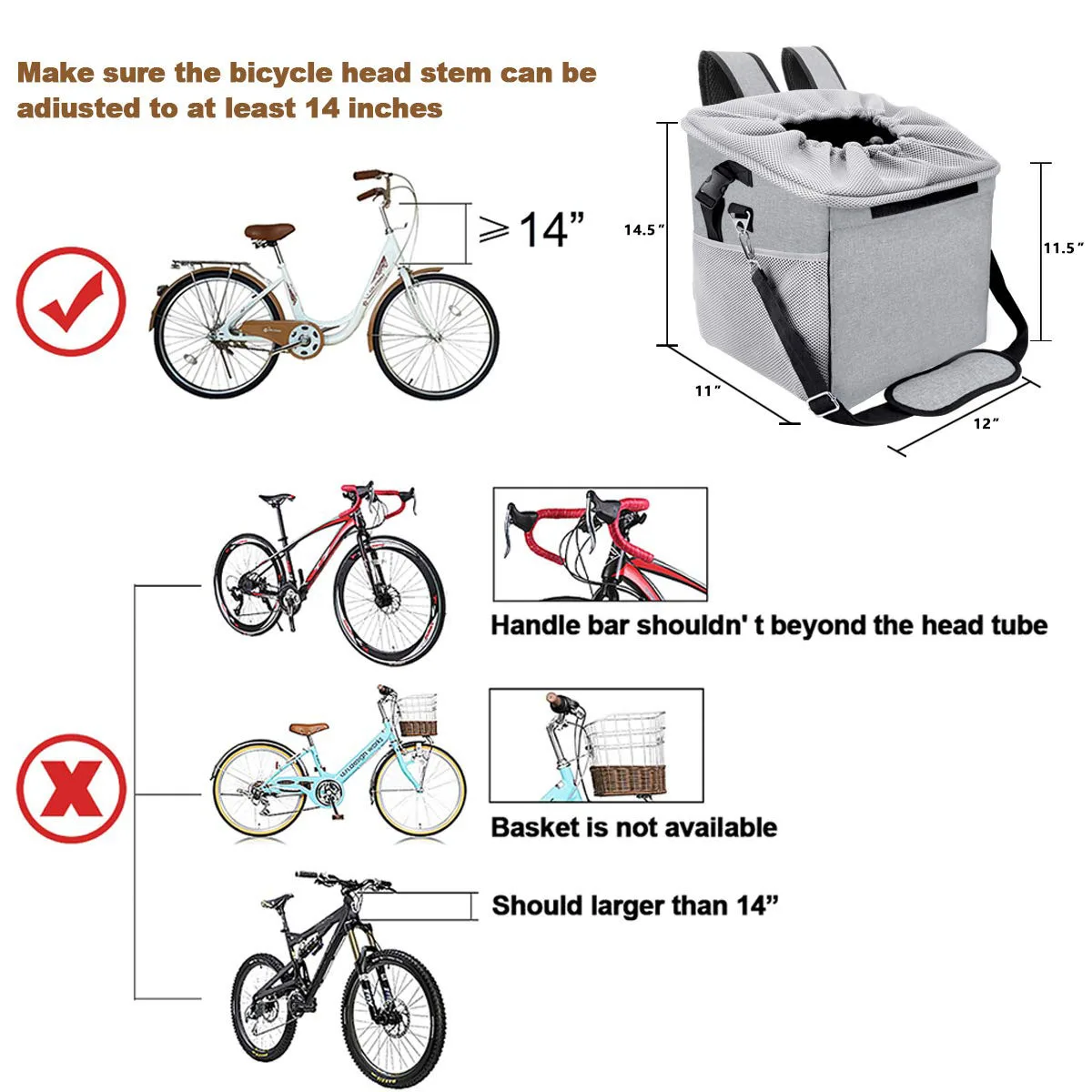
Below MOQ: What a Smaller Order Actually Costs
A quantity below 500 per colourway can usually be produced, and it is priced rather than refused. Knowing the structure of that pricing lets a buyer decide whether a small first order is worth it — and for a market test it often is.
The surcharge has three components. The first is material overbuy: at 200 units the fabric lot still costs the same 300-800 m, so the material cost per unit rises 1.5-3.0 times. The second is set-up: cutting, machine set-up and line changeover are fixed per order at 120-480 USD, so 200 units carry 0.60-2.40 USD per unit against 0.24-0.96 at 500. The third is the line slot: a short run occupies a booking that could have carried a longer one, which is reflected as a 4-12% surcharge.
| Quantity | Material overbuy | Set-up per unit | Short-run surcharge | Total uplift | FOB USD |
|---|---|---|---|---|---|
| 100 | 1.8-3.0x | 1.20-4.80 | 8-12% | 38-72% | 11.30-25.10 |
| 200 | 1.5-2.6x | 0.60-2.40 | 6-10% | 24-48% | 10.20-21.60 |
| 300 | 1.3-2.0x | 0.40-1.60 | 5-9% | 16-34% | 9.50-19.60 |
| 500 | 1.0x | 0.24-0.96 | None | Baseline | 8.20-14.60 |
| 1,000 | 1.0x | 0.12-0.48 | None | -8 to -11% | 7.30-13.40 |
A surcharge of 24-48% at 200 units is a lot of money per unit and a small amount in total. That is the point: a 200-unit market test at 10.20-21.60 USD costs 2,040-4,320 USD against 1,640-2,920 USD at the 500-unit price, so the premium for testing with 300 fewer units is 400-1,400 USD. Against the cost of committing to 500 units of an unproven SKU, that is frequently good value.
The alternative to a below-MOQ production run is a sample-scale build, and it is worth knowing the difference. A sample build of 5-30 units is priced at 1.8-3.4 times the projected bulk price because it is made by the sample room rather than the line, with no markers and no set-up amortisation. It is the right tool for photography, buyer meetings and a soft launch, and the wrong tool for selling.
Where a small order does not make sense is when the product needs tooling. An electrode at 900-2,400 USD or a mould at 1,200-3,800 USD amortised over 200 units adds 4.50-31.00 USD per unit, which no surcharge structure can absorb. Below 500 units, choose a design that needs no tooling. Below-MOQ is priced at a 16-72% uplift, and at 200 units the premium over the 500-piece price is 400-1,400 USD in total — frequently good value for a market test.
MOQ and Working Capital: The Cash Behind the Quantity
MOQ is a cash decision as much as a production one, and the cash extends beyond the invoice. Three balances are created by a first order and they should be planned rather than discovered.
The first is material surplus. Fabric overbuy of 80-600 m and label surplus of 500-2,500 pieces sit in inventory at 180-1,800 USD, released against the second order. It is not lost, but it is cash out of the buyer's account — or, in a supplier-held arrangement, credit against a future order.
The second is finished goods. A 500-unit order at 8.20-14.60 USD FOB is 4,100-7,300 USD of goods, and it arrives before it sells. At a 60-90 day inventory turn for a first-season product, the buyer is funding that balance for two to three months.
The third is freight and duty, which for a first sea order is 8-22% of goods value and is paid before sale. On 4,100-7,300 USD of goods that is 330-1,600 USD.
| Quantity | Goods USD | Material surplus | Freight and duty | Total committed | Deposit at 30% |
|---|---|---|---|---|---|
| 200 | 2,040-4,320 | 180-900 | 160-950 | 2,380-6,170 | 610-1,300 |
| 500 | 4,100-7,300 | 180-1,800 | 330-1,600 | 4,610-10,700 | 1,230-2,190 |
| 1,000 | 7,300-13,400 | 180-1,800 | 580-2,950 | 8,060-18,150 | 2,190-4,020 |
| 2,500 | 16,750-31,500 | 0-1,200 | 1,340-6,930 | 18,090-39,630 | 5,030-9,450 |
The deposit column is the cash that actually moves at order placement under T/T 30/70, and it is the number that determines whether a buyer can start a programme at all. At 500 units it is 1,230-2,190 USD, which is within reach of most first-time brand buyers; at 2,500 it is 5,030-9,450 USD, which is a different decision.
Payment structure is therefore a real lever on MOQ, and it is worth asking about. A 30/70 split funds 70% of the goods at or after shipment; a letter of credit shifts timing differently; and for a repeat buyer with a settled history, terms can move. None of these change the production minimum but all of them change whether the minimum is affordable.
The planning rule that follows is to size the first order to the deposit, not to the unit price. A buyer who can fund a 1,000-unit deposit but orders 500 twice pays the learning curve and the set-up twice, which costs more than the extra deposit would have. A 500-unit first order commits 4,610-10,700 USD with 1,230-2,190 USD moving at placement, and the first order should be sized to the deposit rather than to the unit price.
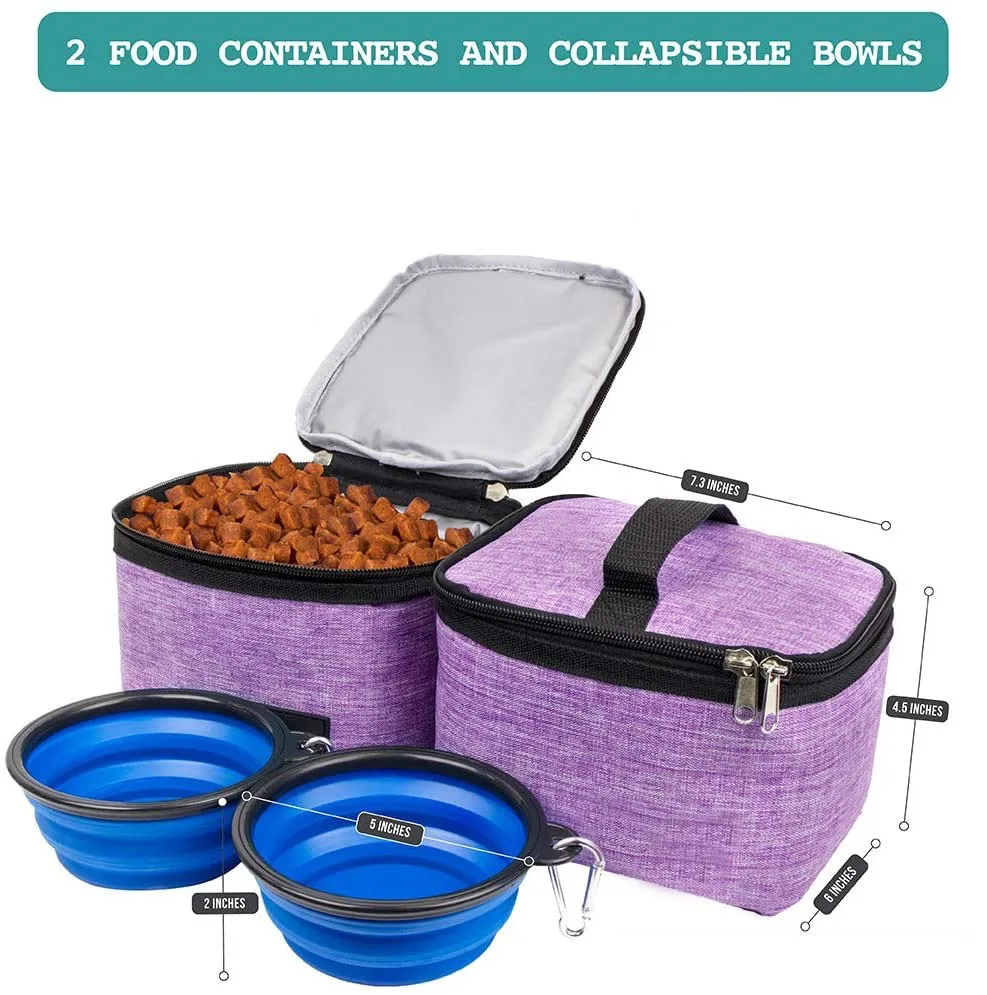
The Second Order: Re-Order Minimums and Held Windows
The second order is a different commercial object from the first, and buyers who re-quote it as though it were new leave money on the table. Three things carry over and each has a value.
Tooling carries over first. Cutting dies, welding electrodes, plates and moulds are held for 24-36 months of activity, so a second run pays no tooling and, critically, no tooling lead time. That removes 7-38 days from the schedule and 0.36-7.60 USD per unit from the cost.
Material surplus carries over second. Fabric and labels bought on the first run are already on the shelf, so the second run may need no fabric purchase at all — or a smaller one — which lowers both cost and procurement lead time by 7-28 days.
The test file carries over third. A chemical screening report is valid for 12 months and a structural report for 12-24 months provided the specification has not changed. Renewing neither saves 250-1,800 USD and 8-18 days.
| Item | First order | Second order | Saving | Condition |
|---|---|---|---|---|
| Tooling | 1,080-4,700 USD | 0 | Full | Within 24-36 months |
| Tooling lead time | 7-38 days | 0 | Full | Tool maintained |
| Fabric purchase | 300-800 m | 0-600 m | Partial | Surplus held |
| Chemical screening | 250-1,200 USD | 0 | Full | Within 12 months, unchanged |
| Structural test | 400-1,800 USD | 0 | Full | Within 12-24 months |
| Sample rounds | 2-3 rounds | 0-1 round | Partial | No specification change |
| Bulk production | 35-50 days | 35-50 days | None | Always |
The condition column is where re-orders go wrong. A specification change — a different fabric, a different hardware supplier, a revised drawing — resets the test file and may reset the tooling. Batching changes into one revision is therefore worth more on a re-order than on a first order, because it preserves the inherited file.
Quality records generated on the first run are maintained under the quality system certified to ISO 9001, which is what allows them to be cited rather than regenerated.
There is a minimum on a re-order and it is lower than buyers expect: 300-500 pieces per colourway where tooling and material already exist, because the binding constraint is the line booking rather than procurement. Below 300 the set-up cost dominates and the surcharge structure applies again.
Timing matters too. A re-order placed inside 12 months inherits the test file; one placed at month 14 does not, and it costs 250-1,800 USD and 8-18 days to regenerate. For a product with a 12-month cycle, the efficient pattern is to place the second order at month nine or ten rather than at month thirteen. The second order inherits tooling, material surplus and the test file, which removes 7-38 days and 0.36-7.60 USD per unit — provided the specification has not changed.
Negotiating Quantity Without Changing the Product
There are legitimate ways to improve the commercial terms of a small order that do not involve asking for a lower MOQ. They work by changing what the supplier has to buy or when they have to make it, rather than by changing the product.
The first is to widen the colourway tolerance. If a buyer can accept a stock fabric colour rather than a dyed-to-order one, the 300-800 m dye-lot minimum disappears entirely and with it the largest single constraint on the order. Stock colours typically cover 8-20 options per fabric family and the visual difference is often invisible at the point of sale once trim is customised.
The second is to defer the custom label run. A generic care and origin label plus a printed hang tag satisfies most market requirements for a first order, and it removes the 1,000-3,000 piece label minimum. The custom woven label is added on the second run when volume justifies it.
The third is to share a production slot. If the buyer's 500 units can run immediately before or after another order on the same fabric and the same line settings, the set-up cost of 120-480 USD is shared and the queue shortens. This is a scheduling request rather than a price request and it is more often granted.
| Lever | Constraint removed | Saving USD | Customer visibility | Difficulty |
|---|---|---|---|---|
| Stock fabric colour | 300-800 m dye lot | 180-780 | Low with custom trim | Easy |
| Generic first-run label | 1,000-3,000 piece label run | 80-900 | None with hang tag | Easy |
| Shared production slot | Set-up 120-480 USD | 60-240 | None | Medium |
| Combined shipment | Freight minimum | 180-900 | None | Easy |
| Trim-based colourways | Fabric lots per colourway | 180-780 | Medium | Medium |
| Deferred tooling | Electrode or mould | 900-3,800 | None to low | Design stage |
Combined shipment is the easiest of these and the one most often missed. Two orders of 500 units shipped together are 28-42 m³, which fills a 20GP at 82-90% efficiency where each alone would not. The freight saving is 180-900 USD and it requires nothing more than aligning two purchase orders.
Deferred tooling belongs at the design stage rather than the ordering stage, and it is the largest item in the table. A design that can be built with cutting dies and manual welding for the first run, with the electrode or mould added on the second, defers 900-3,800 USD until volume justifies it and removes 14-38 days from the first schedule.
What does not work is asking for a lower MOQ at the same unit price on the same specification. The minimums are supplier minimums; the supplier is not inventing them. Six levers reduce effective MOQ by changing what has to be bought, and the two easiest — stock fabric colour and a generic first-run label — remove the two largest minimums.
Order and quality terms
- MOQ 500 pieces per colourway; samples in 6-10 working days
- Bulk production 35-50 days after approval; AQL 2.5 inspection standard
- T/T 30/70 terms, FOB Xiamen, full document set per shipment
People Also Ask
Why is cat carrier MOQ 500 pieces?
Because a fabric dye lot of 300-800 m covers only 180-570 finished units at 1.4-2.2 m each. The number comes from procurement minimums, not from line capacity.
Is MOQ per order or per colourway?
Per colourway. A colourway forces a separate fabric lot, so a four-colourway 2,000-piece order buys the same four lots as four separate 500-piece orders.
How much does unit cost fall between 500 and 25,000 units?
22-29%, indexed at 100 for 500 pieces. More than half of that fall happens between 500 and 2,500, where tooling is amortised and the operator learning curve runs.
Can I order fewer than 500 cat carriers?
Yes, priced rather than refused. At 200 units the uplift is 24-48%, which is 400-1,400 USD in total over the 500-piece price — often good value for a market test.
How much cash does a first order commit?
4,610-10,700 USD at 500 units including material surplus and freight, with 1,230-2,190 USD moving as deposit at placement under T/T 30/70.
What is the re-order minimum?
300-500 pieces per colourway where tooling and material already exist, because the binding constraint becomes the line booking rather than procurement.
How long is tooling held between orders?
24-36 months of activity. A chemical screening report is valid 12 months and a structural report 12-24, provided the specification has not changed.
How can I offer four colourways without buying four fabric lots?
Vary trim instead. One stock fabric colour with four webbing and binding combinations gives four distinct SKUs at one fabric purchase.
Frequently Asked Questions
Which supplier minimum actually binds at 500 units?
Fabric and woven labels. Fabric at 180-570 units per lot and labels at a 1,000-3,000 piece mill minimum both exceed or sit at 500; webbing, binding and cartons do not.
What happens to material surplus from a first order?
It is held rather than wasted: 80-600 m of fabric and 500-2,500 labels, worth 180-1,800 USD, released against the second order.
How much does a sample-scale build cost compared to bulk?
1.8-3.4 times the projected bulk price, because it is made in the sample room with no markers and no set-up amortisation. Suitable for photography and buyer meetings, not for selling.
Does freight cost per unit fall with volume?
Yes, in steps. A 500-unit order is 14-21 m³ and does not fill a container; a 2,000-unit order is 56-84 m³ and fills a 40HQ at 82-90% efficiency. The difference is 0.60-2.40 USD per unit.
What is the set-up cost of a production order?
120-480 USD fixed per order, covering cutting, machine set-up and line changeover. At 500 units that is 0.24-0.96 USD per unit; at 200 it is 0.60-2.40.
Should a buyer order 500 twice or 1,000 once?
1,000 once, if the deposit can be funded. Ordering 500 twice pays the set-up and the operator learning curve twice, and the learning curve alone is worth 4-9 points of cost.
Can two orders be shipped together to save freight?
Yes, and it is the easiest saving available. Two orders of 500 are 28-42 m³, which fills a 20GP where each alone would not, saving 180-900 USD.
What invalidates an inherited test file on a re-order?
A specification change: different fabric, different hardware supplier, or a revised drawing. Batching changes into one revision preserves the file.
Is a dyed-to-order colour always necessary?
No. Stock colours typically cover 8-20 options per fabric family and remove the 300-800 m dye-lot minimum entirely; with customised trim the visual difference is often invisible at point of sale.
When should tooling be deferred to the second run?
When the first run is a market test. A design buildable with cutting dies and manual welding defers 900-3,800 USD and removes 14-38 days from the first schedule.
What is the smallest sensible first order?
200 units, at a 24-48% uplift. Below that the set-up and short-run surcharges dominate, and a sample-scale build is usually the better tool.
How does payment structure affect affordability of MOQ?
T/T 30/70 moves 30% at placement and 70% at or after shipment, so the deposit is 1,230-2,190 USD at 500 units. Terms do not change the production minimum but they change whether it is fundable.
Does consolidation limit how distinct a range can look?
Only for highly visible items. Shell fabric is visible, so consolidating it makes the family look like a family; lining, hardware and packing are invisible and consolidating them costs nothing.
How much does a four-colourway launch cost in surplus?
180-780 USD at 500 units per colourway, from 1.1-2.9 times fabric overbuy. It should be planned as inventory rather than resisted.
Talk to QUANZHOU JUNYUAN BAGS about a pet carrier program: MOQ 500 pieces per colourway, samples in 6-10 working days, bulk production in 35-50 days under AQL 2.5 inspection.
Get a free quote Request a sample